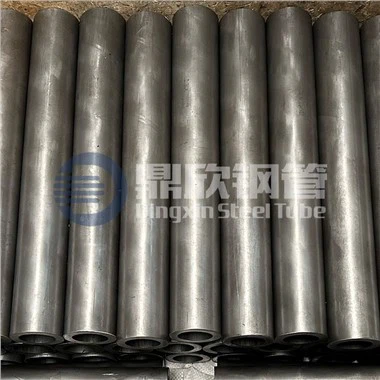
DIN 2391 is a well - established German standard that defines the technical delivery conditions for cold - drawn seamless precision steel tubes. As a DIN 2391 supplier, I understand the importance of proper storage requirements for the products covered by this standard. In this blog, I will delve into the key storage aspects that need to be considered to maintain the quality and integrity of DIN 2391 products.
General Storage Environment
The first and foremost consideration is the storage environment. DIN 2391 products, such as cold - drawn seamless tubes, are typically made of steel, which is susceptible to corrosion. Therefore, the storage area should be dry and well - ventilated. Moisture is the enemy of steel, as it can initiate rusting, which not only affects the appearance of the tubes but also their mechanical properties.
The ideal relative humidity in the storage area should be below 60%. High humidity can lead to the formation of a thin layer of water on the surface of the tubes, creating an environment conducive to oxidation. To achieve and maintain the appropriate humidity level, dehumidifiers can be installed in the storage facility. Additionally, proper ventilation helps to remove any moisture - laden air and replace it with drier air.
The temperature in the storage area also plays a crucial role. Extreme temperature fluctuations can cause thermal expansion and contraction of the steel tubes. While steel has a relatively low coefficient of thermal expansion, significant temperature changes over a short period can still lead to internal stresses within the tubes. These stresses may cause deformation or cracking, especially in tubes with tight dimensional tolerances as specified by DIN 2391. A stable temperature range between 10°C and 30°C is generally recommended.


Protection Against Physical Damage
DIN 2391 products are often precision - engineered, and any physical damage can render them unfit for their intended applications. When storing the tubes, they should be placed on appropriate supports to prevent bending or sagging. Soft, non - abrasive materials such as wooden blocks or rubber pads can be used as supports. These materials not only provide a stable base for the tubes but also prevent scratches on the tube surface.
The tubes should be stacked in an orderly manner. For long tubes, they can be stored horizontally on racks. The racks should be designed to hold the tubes securely and prevent them from rolling or falling. When stacking multiple layers of tubes, the bottom layer should be strong enough to support the weight of the upper layers. Care should be taken to ensure that the tubes are evenly distributed on the racks to avoid overloading any particular area.
During handling and storage, it is essential to protect the tubes from impacts and collisions. Forklifts or other handling equipment should be operated with caution around the stored tubes. Any sharp or hard objects should be kept away from the tubes to prevent punctures or dents.
Protection Against Chemical Contamination
In addition to physical damage and corrosion, DIN 2391 products are also vulnerable to chemical contamination. The storage area should be free from any sources of chemical pollutants, such as acids, alkalis, or solvents. These chemicals can react with the steel surface, causing corrosion or altering the chemical composition of the tubes.
If the storage facility is located in an industrial area with a high risk of chemical pollution, appropriate protective measures should be taken. For example, the storage area can be enclosed with a chemical - resistant barrier to prevent the entry of pollutants. The tubes can also be coated with a protective layer, such as a thin film of oil, to provide an additional layer of protection against chemical attack.
Storage of Different Types of DIN 2391 Products
DIN 2391 covers a wide range of cold - drawn seamless steel tubes, including different grades and dimensions. Different types of tubes may have specific storage requirements based on their chemical composition and intended use.
For example, SAE AISI 8620 Cold Drawn Seamless Steel Tube is a low - alloy steel tube commonly used in automotive applications. Due to its alloying elements, it may be more resistant to corrosion than some other types of steel tubes. However, it still requires proper storage to maintain its mechanical properties. The storage conditions for this type of tube should follow the general guidelines mentioned above, with special attention to preventing any contamination that could affect its performance in automotive components.
Alloy Steel Seamless Tube 20Mn2 40Mn2 is another type of tube covered by DIN 2391. These alloy steel tubes are often used in applications where high strength and good ductility are required. They should be stored in a way that prevents the formation of any surface defects that could compromise their strength. For example, they should be protected from any abrasive substances that could cause micro - scratches on the surface, as these scratches could act as stress concentrators and reduce the tube's fatigue life.
Cold Drawn Seamless Tube 20Cr 40Cr is a chromium - alloyed steel tube. Chromium provides some level of corrosion resistance, but the tubes still need to be stored in a clean and dry environment. The storage area should be monitored regularly for any signs of corrosion or other damage, especially around the tube ends and joints.
Documentation and Inventory Management
Proper documentation is an important part of the storage process for DIN 2391 products. Each batch of tubes should be clearly labeled with information such as the tube grade, dimensions, production date, and batch number. This information helps to track the tubes throughout their storage and distribution process.
An inventory management system should be implemented to keep track of the quantity, location, and status of the stored tubes. This system can help to ensure that the tubes are used in a first - in, first - out (FIFO) manner. FIFO is important to prevent the tubes from being stored for an extended period, which could increase the risk of corrosion or other quality issues.
Regular inspections of the stored tubes should be carried out. These inspections can help to identify any potential problems early, such as signs of corrosion, deformation, or damage. Any tubes that show signs of quality issues should be removed from the storage area and evaluated for their usability.
Conclusion
Proper storage of DIN 2391 products is essential to maintain their quality and integrity. By controlling the storage environment, protecting against physical damage and chemical contamination, and implementing proper documentation and inventory management, we can ensure that the tubes meet the high standards set by DIN 2391.
If you are in need of high - quality DIN 2391 products, we are here to serve you. Our products, including SAE AISI 8620 Cold Drawn Seamless Steel Tube, Alloy Steel Seamless Tube 20Mn2 40Mn2, and Cold Drawn Seamless Tube 20Cr 40Cr, are manufactured with strict adherence to the DIN 2391 standard. We are committed to providing you with products that meet your specific requirements. Contact us to discuss your procurement needs and let us work together to find the best solutions for your projects.
References
- DIN 2391 standard documentation
- Steel industry best practices for tube storage
- Technical literature on corrosion prevention of steel products