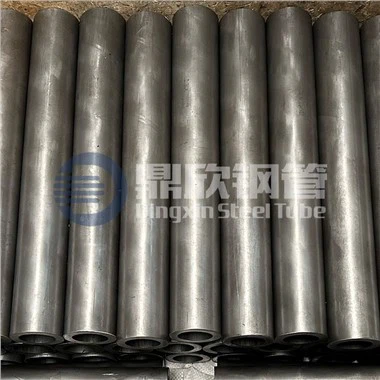
As a dedicated supplier of E235 + C materials, I often encounter inquiries from clients regarding the bendability of E235 + C. This topic is not only crucial for those in the construction and manufacturing sectors but also has a significant impact on the practical application of the material. In this blog post, I will delve into the factors that influence the bendability of E235 + C, explore the bending processes, and provide insights based on industry knowledge and experience.


Understanding E235 + C
E235 + C is a type of carbon steel that is widely used in various industries due to its excellent combination of strength, ductility, and weldability. The "E235" refers to the minimum yield strength of the steel, which is 235 MPa, while the "+ C" indicates the quality level, typically associated with a higher degree of purity and better mechanical properties.
The chemical composition of E235 + C mainly consists of iron, carbon, manganese, silicon, sulfur, and phosphorus. The carbon content is relatively low, usually around 0.17 - 0.23%, which contributes to its good ductility. Manganese is added to improve the strength and hardenability of the steel, while silicon helps to deoxidize the molten metal during the manufacturing process. Sulfur and phosphorus are considered impurities, and their content is strictly controlled to ensure the quality of the steel.
Factors Affecting the Bendability of E235 + C
Several factors can influence the bendability of E235 + C, including the following:
1. Chemical Composition
As mentioned earlier, the carbon content plays a crucial role in the bendability of the steel. A lower carbon content generally results in better ductility, making the steel easier to bend. Additionally, the presence of other alloying elements can also affect the bendability. For example, a higher manganese content can increase the strength of the steel but may reduce its ductility to some extent.
2. Grain Size
The grain size of the steel also has a significant impact on its bendability. A finer grain size usually leads to better ductility and formability. During the manufacturing process, the grain size can be controlled through various methods, such as heat treatment and controlled rolling.
3. Surface Condition
The surface condition of the E235 + C material can affect the bendability. A smooth and clean surface is less likely to cause cracking or other defects during the bending process. Any surface imperfections, such as scratches, rust, or scale, can act as stress concentrators and reduce the bendability of the steel.
4. Bending Method
The bending method used can also influence the bendability of E235 + C. There are several common bending methods, including cold bending and hot bending. Cold bending is typically performed at room temperature and is suitable for thinner materials with relatively low bending radii. Hot bending, on the other hand, involves heating the steel to a specific temperature before bending, which can improve the ductility and reduce the risk of cracking.
Bending Processes for E235 + C
Cold Bending
Cold bending is a widely used method for bending E235 + C materials. It is relatively simple and cost - effective, and it can be performed using various tools and equipment, such as press brakes, rollers, and tube benders.
When cold bending E235 + C, it is important to ensure that the bending radius is within the acceptable range. A too - small bending radius can cause excessive stress and lead to cracking or other defects. The bending speed should also be controlled to avoid sudden changes in stress that could damage the material.
Hot Bending
Hot bending is often used for thicker materials or when a smaller bending radius is required. The steel is heated to a temperature between 800 - 1000°C, depending on the specific requirements. At this temperature, the steel becomes more ductile and easier to bend.
After hot bending, the steel needs to be cooled properly to avoid the formation of internal stresses and to ensure the desired mechanical properties. The cooling rate can be controlled by using different cooling methods, such as air cooling, water cooling, or oil cooling.
Examples of Applications and Complementary Products
E235 + C is used in a wide range of applications, including automotive components, construction structures, and machinery parts. For those in the automotive industry, you might also be interested in our DIN 17200 C22/Ck22 C25/Ck25 C30/Ck30 C35/Ck35 C45/Ck45 C55/Ck55 Seamless Tube, which offers excellent strength and corrosion resistance.
In the manufacturing of precision parts, our Cold Drawn Seamless Tube 20Cr 40Cr can be a great complement to E235 + C. These tubes are known for their high precision and good mechanical properties.
For construction projects, the DIN2391 ST52 BK Seamless Tube can be used in combination with E235 + C to provide additional strength and stability.
Conclusion and Call to Action
In conclusion, E235 + C can be bent, but the bendability depends on various factors, including the chemical composition, grain size, surface condition, and bending method. By understanding these factors and choosing the appropriate bending process, it is possible to achieve high - quality bends without compromising the integrity of the material.
If you are considering using E235 + C in your projects or have any questions about its bendability, I encourage you to contact us for further discussion. Our team of experts is always ready to provide you with detailed information and technical support to help you make the best decision for your specific needs.
References
- ASM Handbook, Volume 1: Properties and Selection: Irons, Steels, and High - Performance Alloys.
- Steel Construction Manual, American Institute of Steel Construction.
- DIN Standards for Steel Products, Deutsches Institut für Normung e.V.