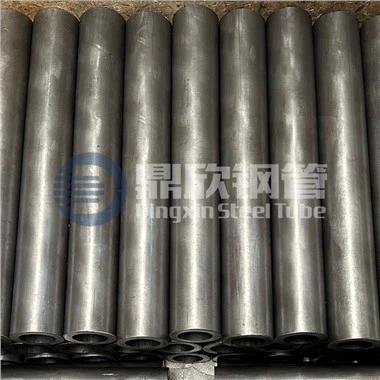
Hey there! As a supplier of API N80 Pipe, I often get asked about the maximum pressure this pipe can withstand. It's a crucial question, especially for those in the mining and drilling industries. So, let's dive right in and explore this topic in detail.
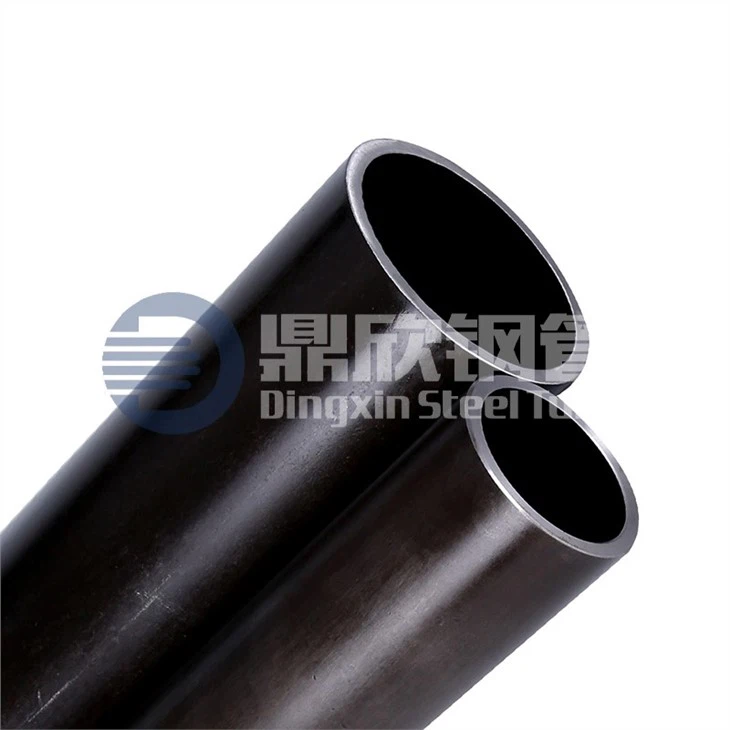
First off, what exactly is API N80 Pipe? Well, it's a type of steel pipe that meets the American Petroleum Institute (API) standards. These standards ensure that the pipe is of high quality and suitable for various applications in the oil and gas industry, including drilling and production. The "N80" in its name refers to its minimum yield strength, which is 80,000 pounds per square inch (psi).
Now, let's talk about the maximum pressure. The maximum pressure that API N80 Pipe can withstand depends on several factors, including its diameter, wall thickness, and the specific application it's used for. Generally speaking, the thicker the wall of the pipe, the higher the pressure it can handle. For example, a pipe with a larger diameter and a thicker wall will be able to withstand more pressure than a pipe with a smaller diameter and a thinner wall.
To calculate the maximum pressure, we can use the Barlow's formula. This formula takes into account the pipe's diameter, wall thickness, and yield strength to determine the maximum pressure it can safely handle. The formula is as follows:
P = (2 * S * t) / D
Where:
P is the maximum pressure in psi
S is the yield strength of the pipe material (80,000 psi for API N80)
t is the wall thickness of the pipe in inches
D is the outside diameter of the pipe in inches
Let's say we have an API N80 Pipe with an outside diameter of 4 inches and a wall thickness of 0.25 inches. Using the Barlow's formula, we can calculate the maximum pressure as follows:
P = (2 * 80,000 * 0.25) / 4
P = 10,000 psi
So, in this example, the API N80 Pipe can withstand a maximum pressure of 10,000 psi. However, it's important to note that this is just a theoretical calculation. In real-world applications, other factors such as temperature, corrosion, and stress concentrations can also affect the pipe's performance and reduce its maximum pressure capacity.
Another important consideration is the type of fluid or gas that will be flowing through the pipe. Different fluids and gases have different properties, such as density and viscosity, which can affect the pressure drop and the overall performance of the pipe. For example, a pipe carrying a high-viscosity fluid will experience a higher pressure drop than a pipe carrying a low-viscosity fluid.
In addition to the Barlow's formula, there are also other standards and guidelines that can be used to determine the maximum pressure of API N80 Pipe. For example, the API 5CT standard provides detailed specifications and requirements for casing and tubing, including the maximum allowable working pressure. It's important to follow these standards and guidelines to ensure the safe and reliable operation of the pipe.
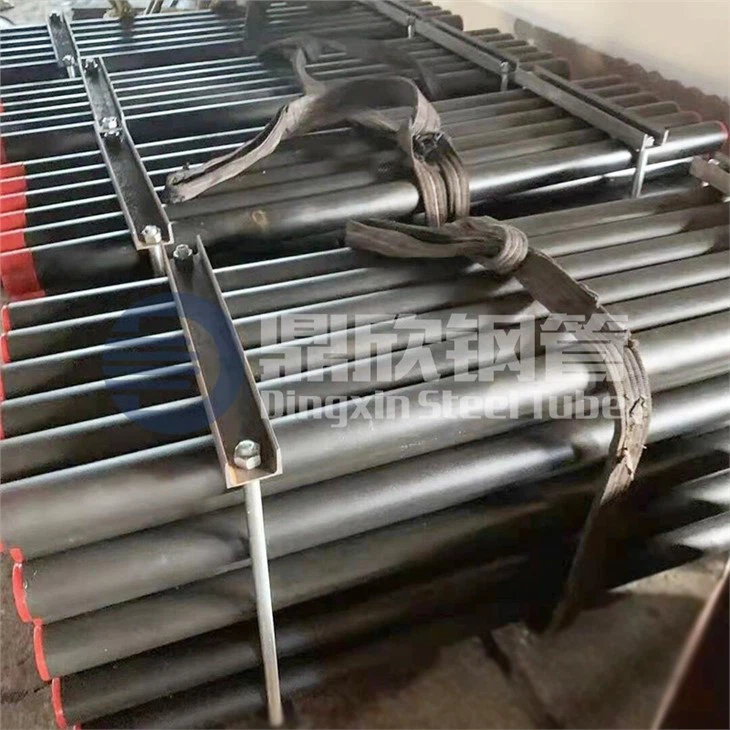
As a supplier of API N80 Pipe, I understand the importance of providing high-quality products that meet the needs of our customers. That's why we only source our pipes from reputable manufacturers who adhere to strict quality control standards. We also offer a wide range of sizes and wall thicknesses to meet the specific requirements of different applications.
If you're in the market for API N80 Pipe or other related products, such as 30CrMnSiA Quenched and Tempered Drill Rod Tube or Wireline Drilling 42CrMo4 34CrMo4 42CrMo 30CrMo 4130 4140 Tube, please don't hesitate to contact us. Our team of experts is here to help you find the right product for your needs and provide you with the best possible service.
In conclusion, the maximum pressure that API N80 Pipe can withstand depends on several factors, including its diameter, wall thickness, and the specific application it's used for. By using the Barlow's formula and following the relevant standards and guidelines, we can calculate the maximum pressure and ensure the safe and reliable operation of the pipe. If you have any questions or need more information, please feel free to reach out to us. We're always happy to help!
References:
- American Petroleum Institute (API) 5CT - Specification for Casing and Tubing
- Barlow's formula - A mathematical formula used to calculate the maximum pressure of a pipe