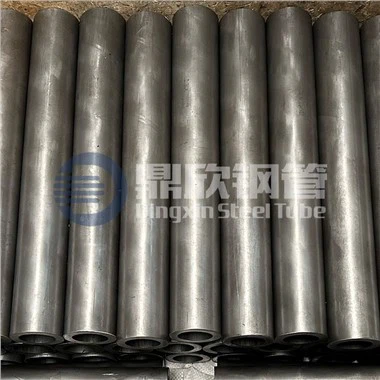
Hey there! I'm a supplier of E235 + C, and I know how crucial it is to have a great surface finish for this material. In this blog, I'll share some tips and tricks on how to improve the surface finish of E235 + C, based on my experience in the industry.
First off, let's understand what E235 + C is. It's a kind of carbon steel that's widely used in various industries because of its good mechanical properties and weldability. But sometimes, getting that perfect surface finish can be a bit of a challenge.
Understanding the Factors Affecting Surface Finish
There are several factors that can influence the surface finish of E235 + C. One of the main ones is the machining process. When we're cutting, grinding, or shaping the material, the tools we use and the parameters we set play a huge role. For example, if the cutting speed is too high, it can cause excessive heat, which might lead to a rough surface. On the other hand, if the feed rate is too slow, it can take forever to get the job done and might not give us the best finish either.
Another factor is the material itself. The quality of the E235 + C we start with matters a lot. If there are impurities or inclusions in the steel, they can show up on the surface after processing. Also, the hardness and microstructure of the material can affect how it responds to machining operations.
Choosing the Right Machining Tools
The choice of machining tools is super important for getting a good surface finish. For cutting operations, we need to use sharp tools. Dull tools can cause tearing and chipping of the material, resulting in a poor surface. High - speed steel (HSS) tools are a common choice for machining E235 + C, but carbide tools can also be a great option, especially for high - volume production. They offer better wear resistance and can maintain a sharp edge for longer.
When it comes to grinding, the type of grinding wheel we select is crucial. We need to consider the grit size, bond type, and hardness of the wheel. A finer grit size will generally give a smoother surface finish, but it might also take longer to grind. The bond type affects how the abrasive grains are held in the wheel, and different bond types are suitable for different grinding applications.
Optimizing Machining Parameters
As I mentioned earlier, the machining parameters have a big impact on the surface finish. Let's talk about cutting speed first. For E235 + C, a moderate cutting speed is usually recommended. We can refer to the tool manufacturer's guidelines to find the optimal cutting speed range. If we're using carbide tools, we can generally go a bit faster compared to HSS tools.
The feed rate is another important parameter. A proper feed rate ensures that the tool cuts through the material smoothly without causing too much stress. If the feed rate is too high, the tool might not be able to remove the material cleanly, leading to a rough surface. We need to find a balance between the feed rate and the cutting speed to get the best results.
Depth of cut also matters. A shallower depth of cut can often result in a better surface finish, but it might mean more passes are needed to remove the desired amount of material. We need to consider the overall efficiency and the quality requirements when deciding on the depth of cut.
Heat Treatment and Surface Preparation
Heat treatment can have a significant impact on the surface finish of E235 + C. Annealing the material before machining can help to relieve internal stresses and make it more machinable. This can lead to a better surface finish during the subsequent machining operations.
Surface preparation is also key. Before we start machining, we should make sure the surface of the E235 + C is clean and free from any contaminants. This can prevent issues like tool wear and poor surface finish. We can use solvents or abrasive cleaning methods to prepare the surface.
Post - Machining Finishing Processes
After the main machining operations are done, there are some post - machining finishing processes that we can use to improve the surface finish even further. One common method is polishing. Polishing can remove any small scratches or irregularities on the surface, giving it a smooth and shiny appearance. We can use different polishing compounds and tools depending on the level of finish we want to achieve.
Another option is buffing. Buffing is similar to polishing but can provide an even higher level of shine. It's often used for decorative or high - precision applications.
Quality Control and Inspection
Throughout the process of improving the surface finish of E235 + C, quality control and inspection are essential. We should regularly check the surface finish using appropriate measuring tools, such as surface roughness testers. These tools can give us an accurate measurement of the surface roughness, which helps us to determine if the finish meets the required standards.


We can also use visual inspection to look for any obvious defects on the surface, such as cracks, pits, or unevenness. If we find any issues, we can make adjustments to the machining process or the finishing operations to correct them.
Related Products
If you're interested in other steel products related to E235 + C, we also offer DIN2391 ST52 BK Seamless Tube, EN10083 - 3 34Crmo4 42Crmo4 +C +QT Steel Tube for Automotive Part, and Cold Drawn Seamless Carbon Steel Tube 10# 20# 35# 45# 55#. These products are also known for their good quality and can be used in a variety of applications.
Conclusion and Call to Action
Improving the surface finish of E235 + C requires a combination of choosing the right tools, optimizing machining parameters, and using appropriate finishing processes. By paying attention to these factors and implementing quality control measures, we can achieve a high - quality surface finish that meets the needs of our customers.
If you're in the market for E235 + C or any of our other steel products, I'd love to have a chat with you. Whether you have questions about the surface finish improvement process or want to discuss your specific requirements, feel free to reach out. Let's work together to find the best solutions for your projects.
References
- Tooling Handbook for Carbon Steel Machining
- Steel Materials and Their Surface Properties Research Papers